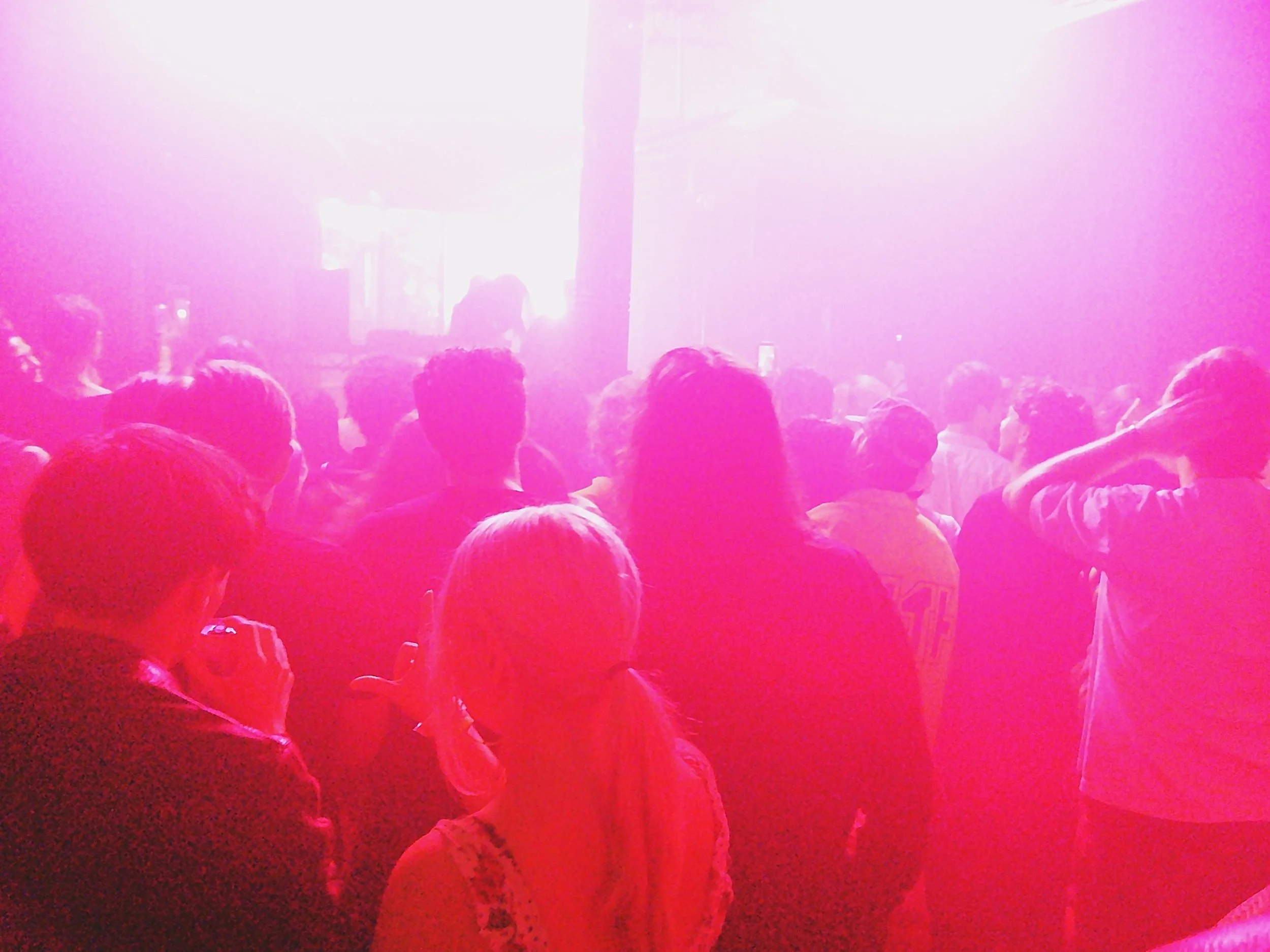
I’m drowning in an ocean of hyper-polished digital perfection and the exhausting, uncanny-valley wave of AI-generated assets. The fatigue is real. Lately, I find myself craving grit. I want the kind of tactile, imperfect reality you can actually feel, full of raw grain, motion blur, and color shifts that a prompt-generator just can't fake.
That craving is what sparked a month-long experiment taking a screen-free Camp Snap camera out into the wild across New York and New Jersey. As an artist, stripping away the digital viewfinder and immediate playback forces you to break bad habits. Without a screen tempting you to micro-edit every two seconds, the work actually improves because you're forced to trust your gut and stay present in the moment.
Nowhere proved this more than taking the minimalist little device into the hazy, low-light chaos of local shows like a recent GFOTY set. Instead of hiding behind a glowing smartphone screen or obsessing over exposure settings, going totally offline meant I was actually experiencing the music and the crowd. The camera's built-in quirks naturally lean into deep shadows, heavy atmosphere, and happy light leaks.
Plus, it doubles as a great conversation starter with fellow gig-goers wondering what on earth is hanging off my wrist.
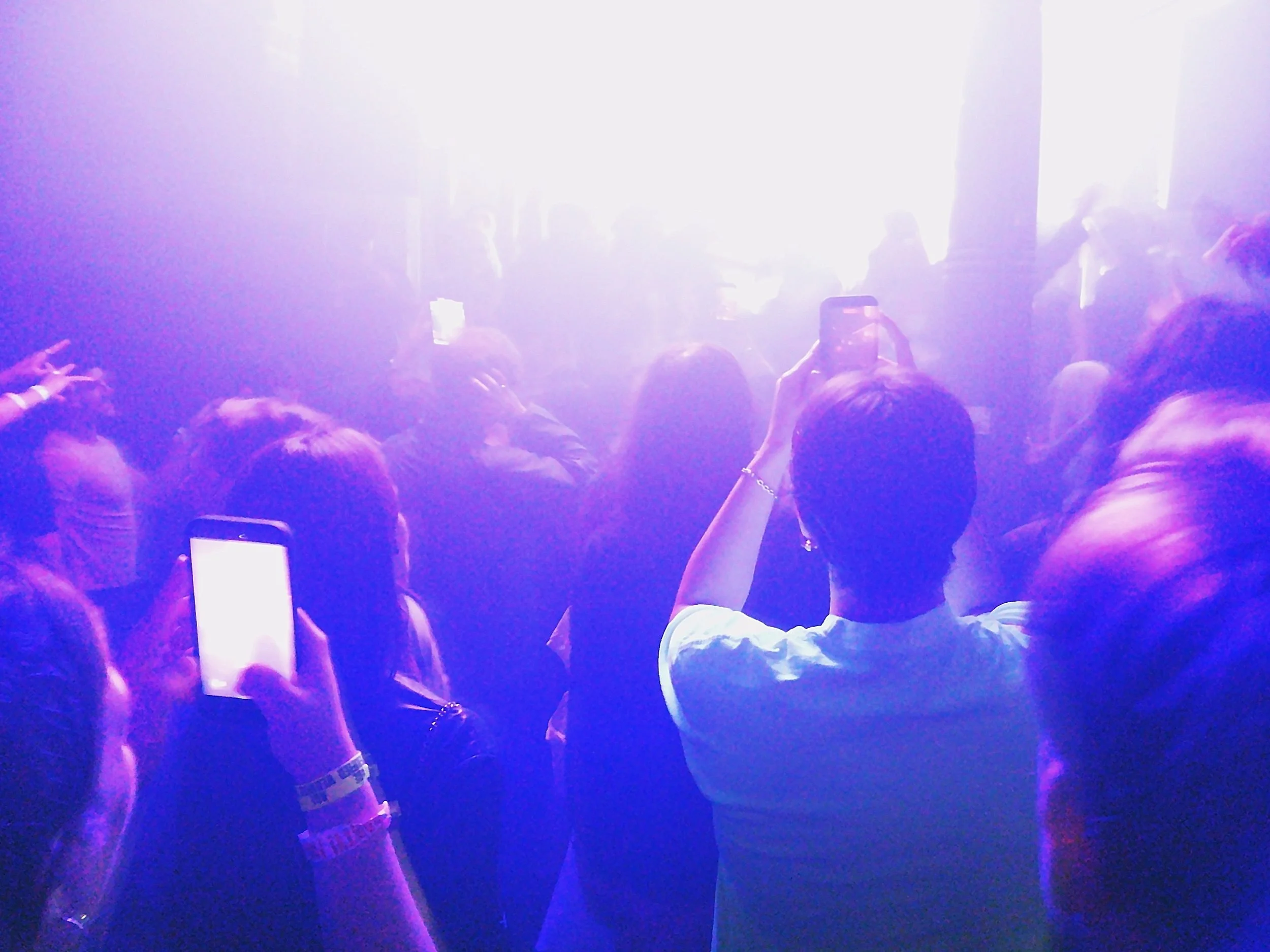
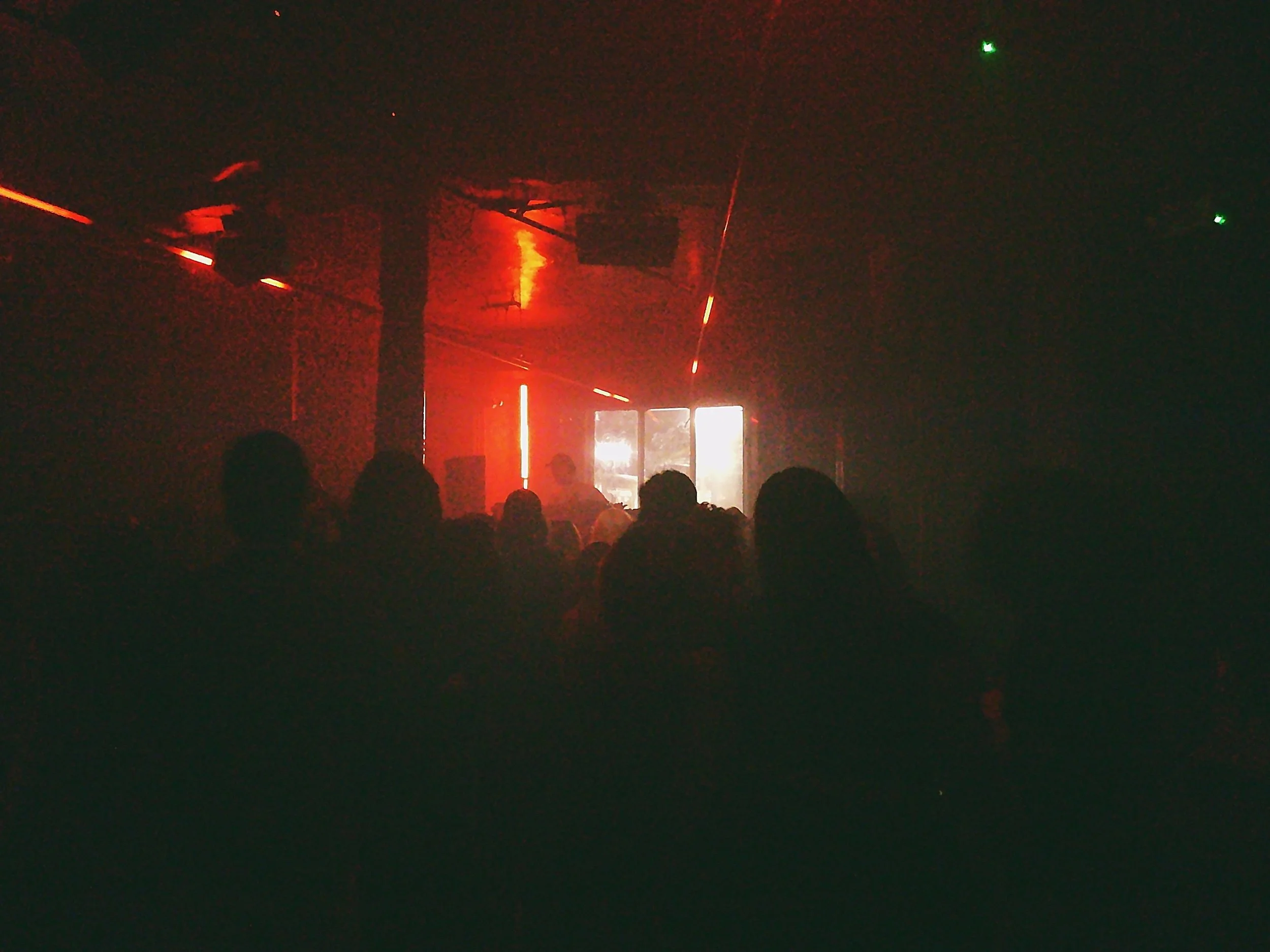
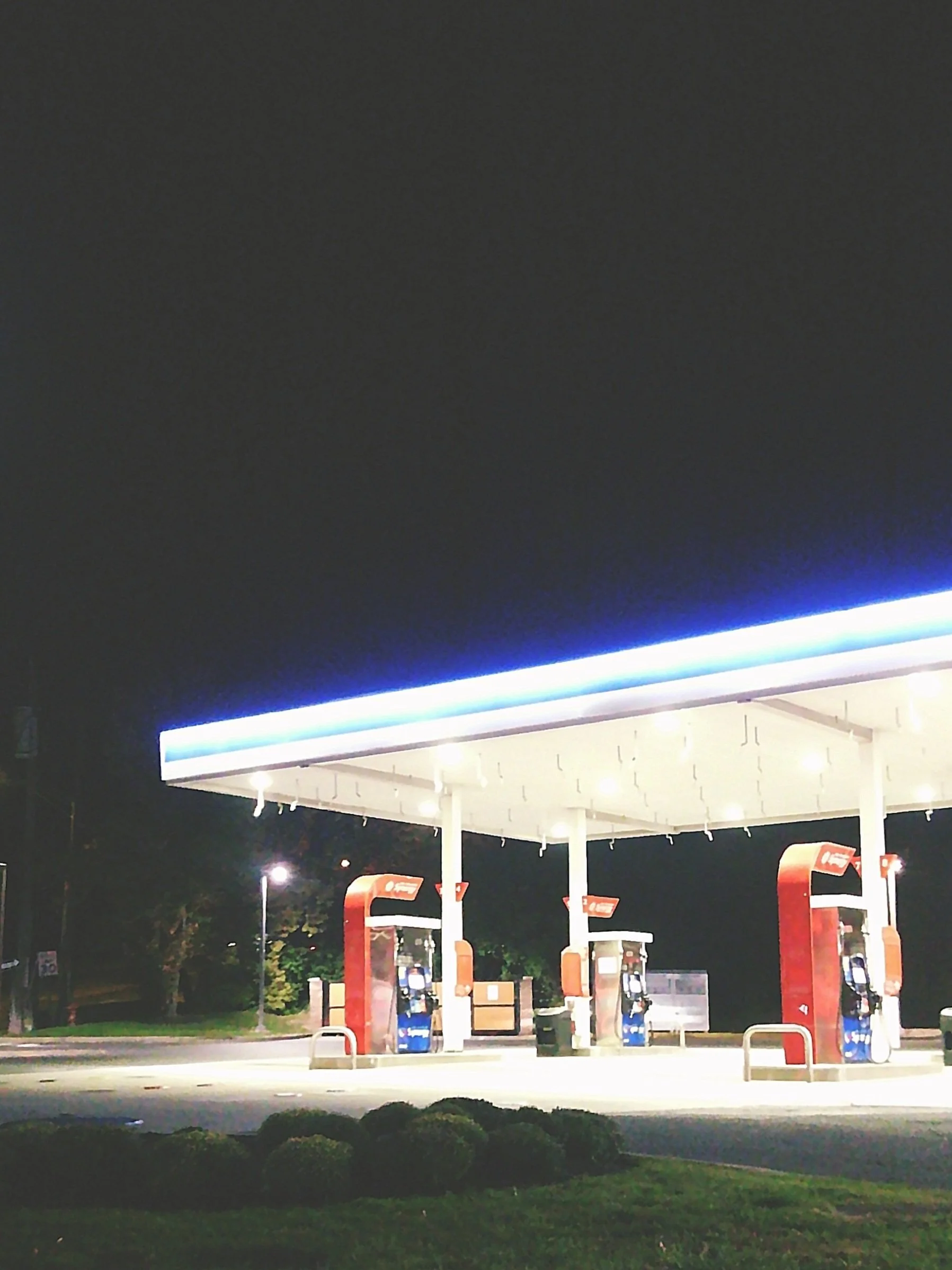
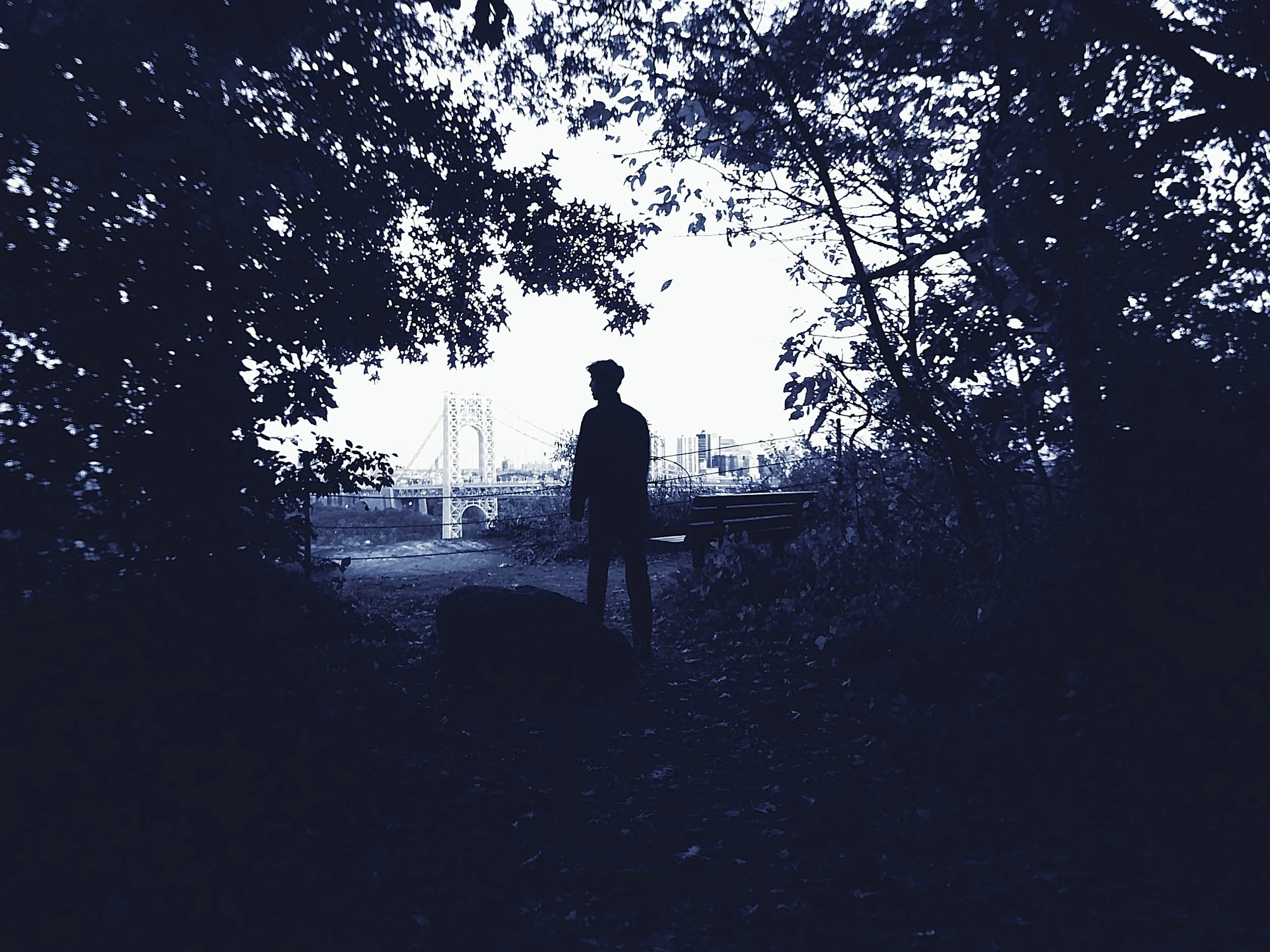
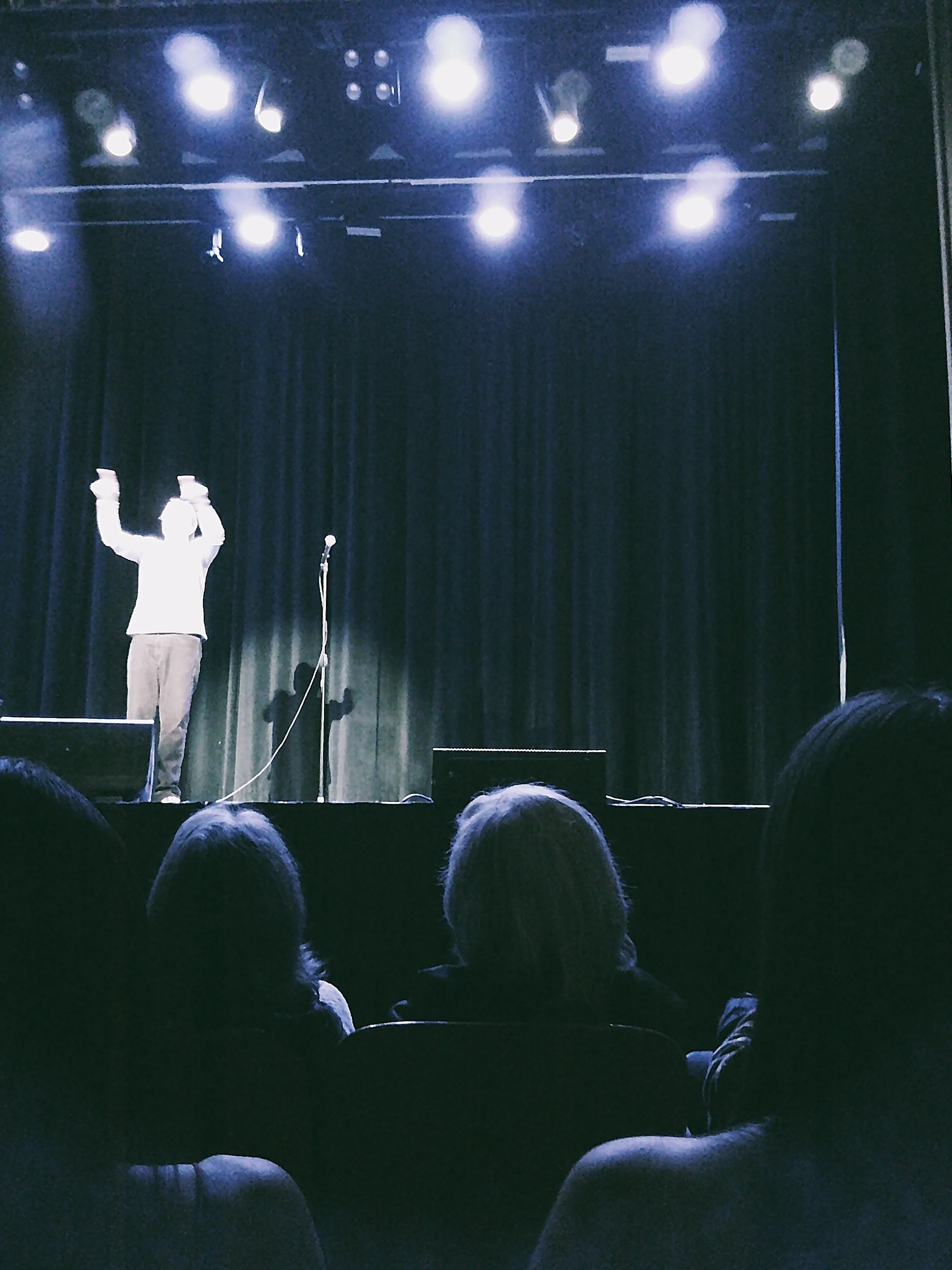
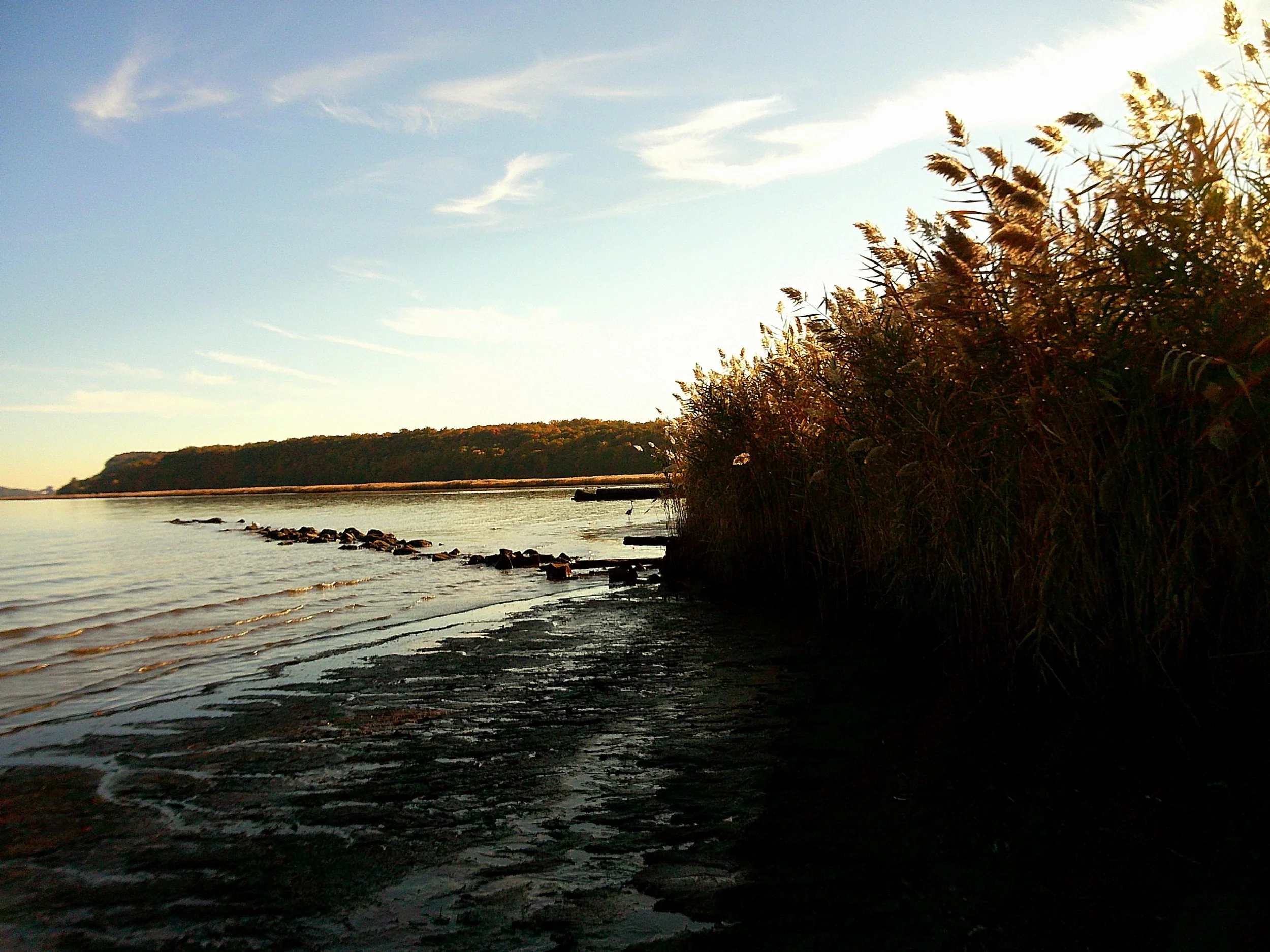
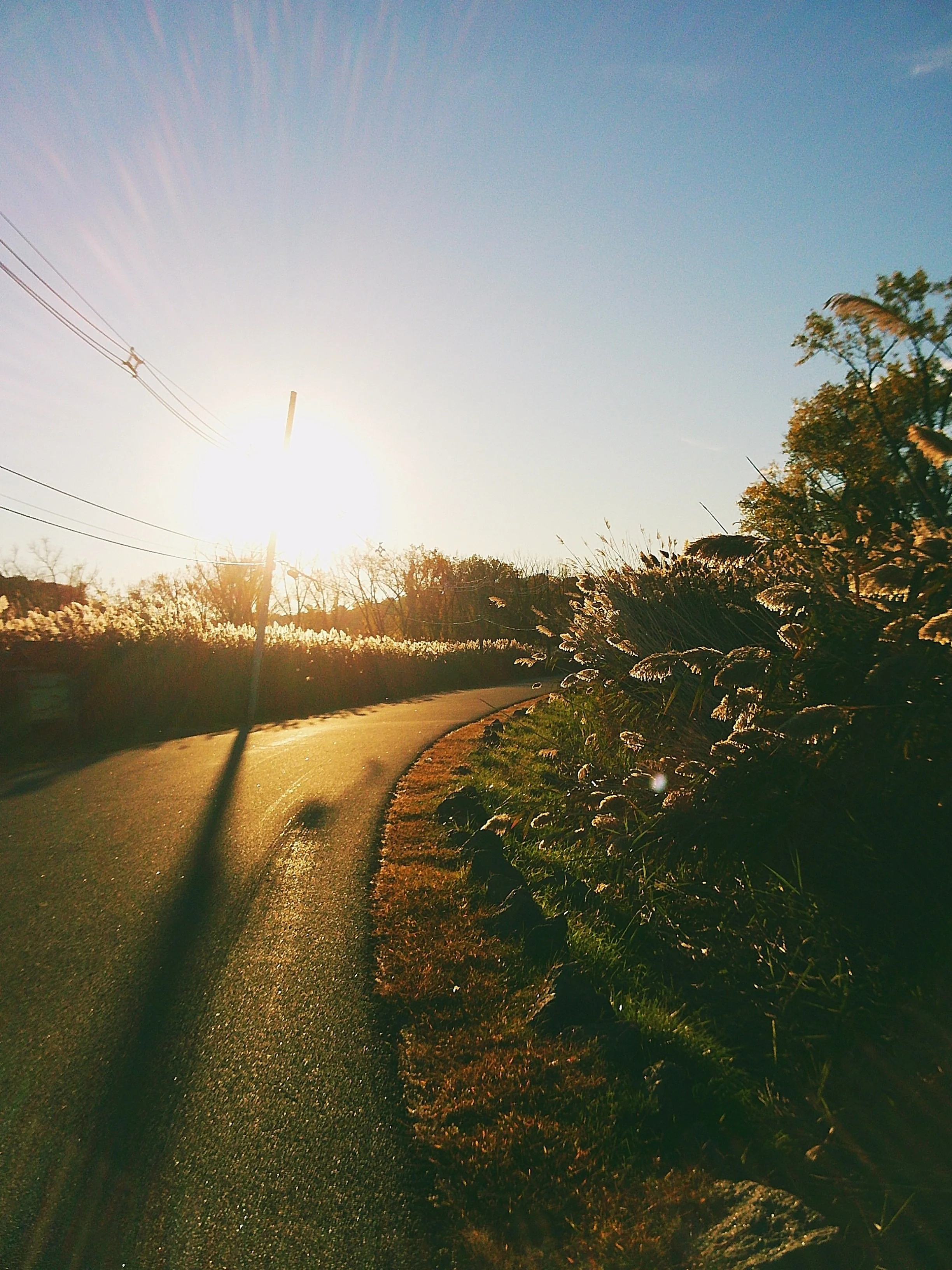
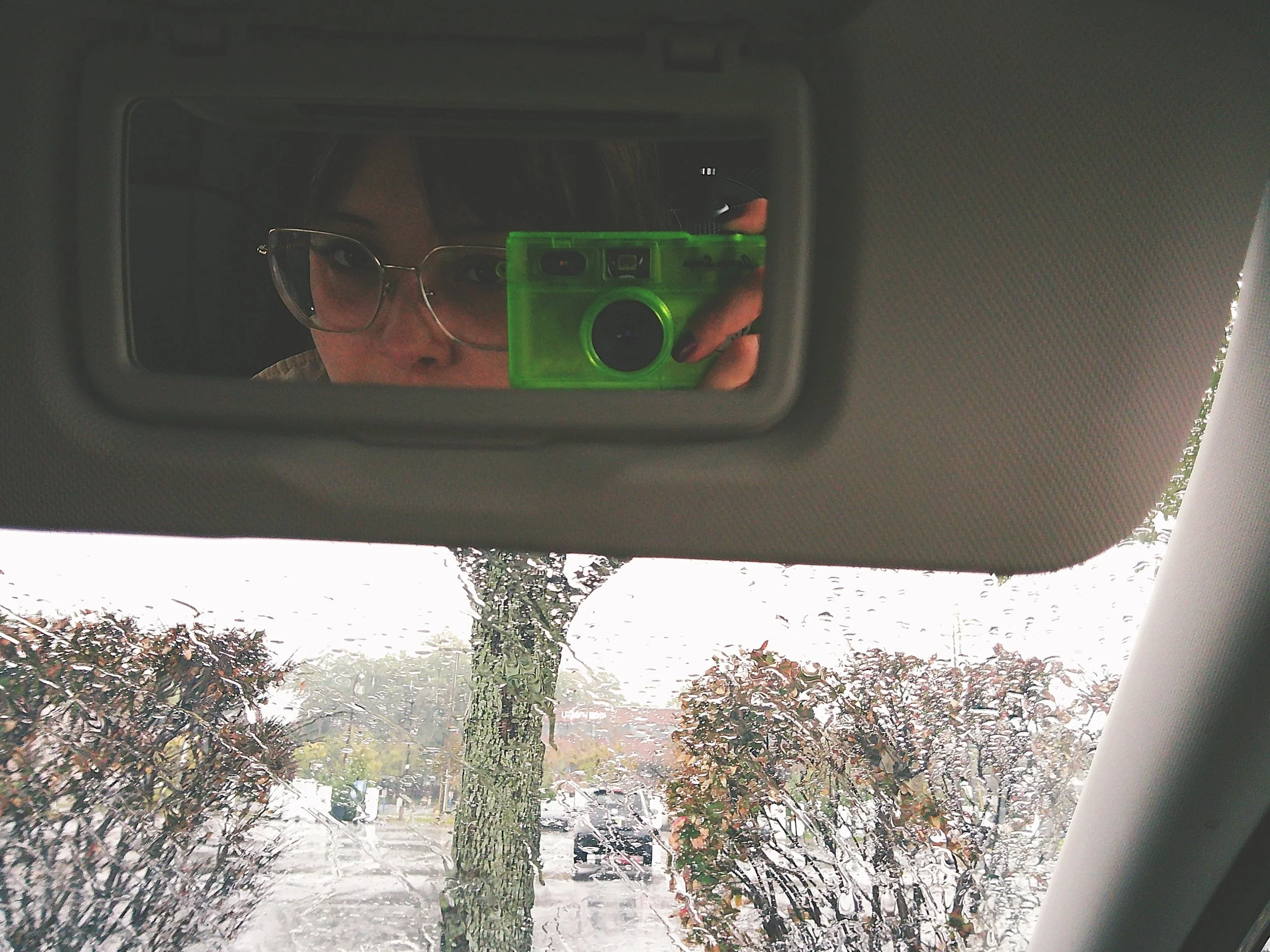
The obsession doesn’t stop at just one little piece of plastic.
This whole exercise naturally spiraled into digging deeper down the toy camera rabbit hole and screen-less experiences. I’m experimenting with everything from lo-fi film setups to glitchy digital hacks to chase those glorious, Bob Ross-style "happy accidents." Making room for unpredictability has changed how I approach everything else, too. When your day job revolves around staring at Figma frames and grid systems, stepping away from screens entirely has become a necessary reset. Whether it's picking up analog habits or just remembering how to exist offline, I think the best creative breakthroughs happen when you finally stop trying to control every single pixel.