
The Ultimate QA Lab: What Reddit’s Foldable Phone Autopsy Taught Us About Testing
I watched the chaos unfold on Reddit in real-time when the new foldable iPhone hit the market. It was masterclass in why public forums are the ultimate, unvarnished crowdsourced QA lab. Within hours of release, users weren't just reviewing the device. They were dissecting its physical anatomy, uploading macro shots, and diagnosing an internal hinge flaw that somehow slipped past months of controlled QA. It’s a wild testament to the power of Reddit’s UX that thousands of hyper-observant early adopters distributed across the globe can crowd-source data, aggregate failure points, and reverse-engineer a hardware defect.

Imperfect but Present: Exploring Authenticity Through Toy Digital Photography
I’m drowning in an ocean of hyper-polished digital perfection and the exhausting, uncanny-valley wave of AI-generated assets. The fatigue is real. Lately, I find myself craving grit. I want the kind of tactile, imperfect reality you can actually feel, full of raw grain, motion blur, and color shifts that a prompt-generator just can't fake.
Navigating the AI Mockup Minefield (Without Losing Your Mind or Your Compliance Audit)
It’s 4:55 pm and I get an email from a client, open their latest attachment, and realize they handed me an entirely fabricated AI generation as their "final mockup." I can see the vision. But as a designer, it’s my job to actually look under the hood and ask the uncomfortable questions, like how a hallucinated asset is going to survive real-world usability testing or clear a basic regulatory audit.
Auto-Layout and Accountability: What Figma Tutorials Can’t Teach You About Team Dynamics
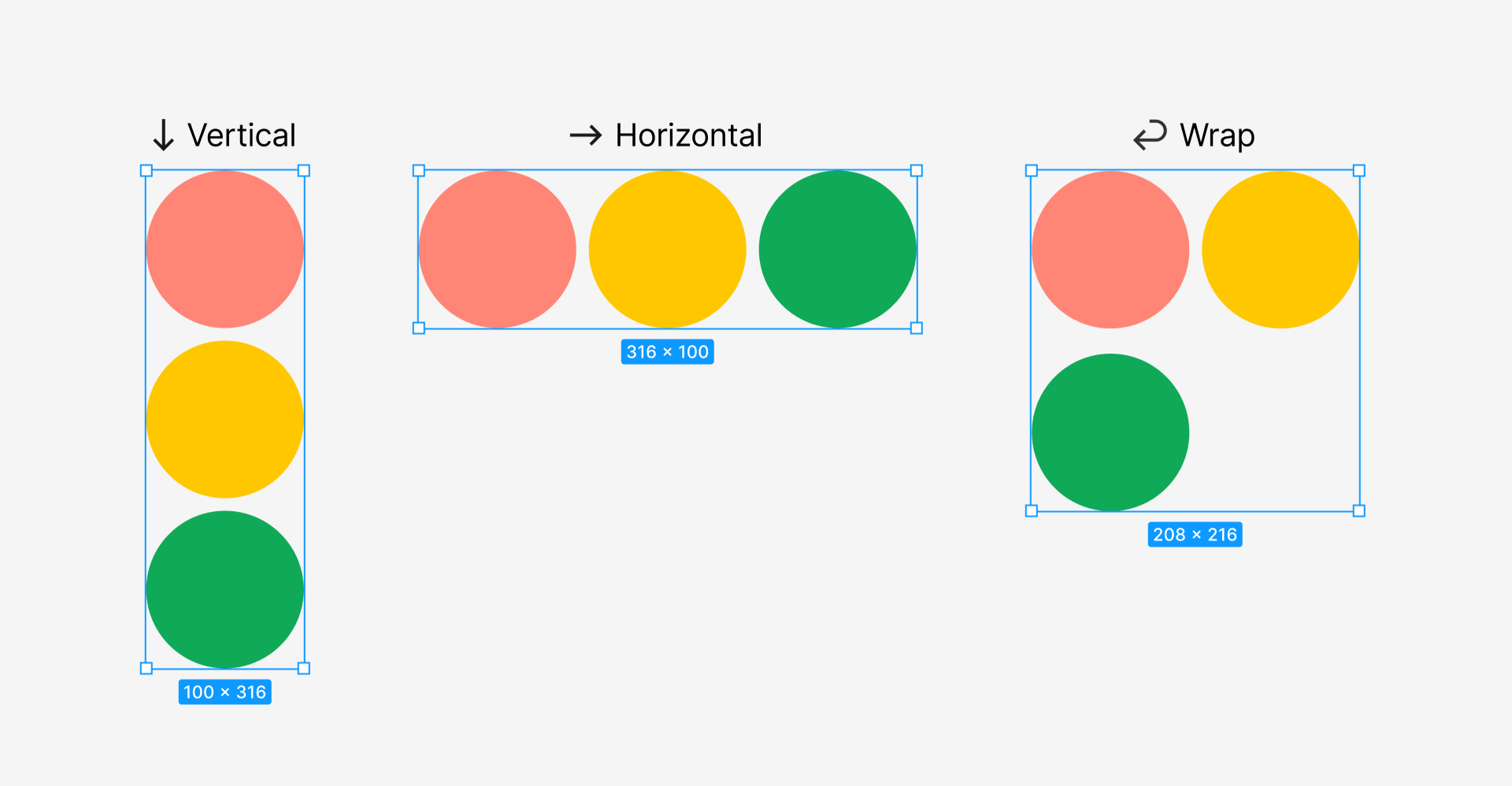
As designers, we’ve all been there: you spend hours architecting a bulletproof design system with nested auto-layout frames, smart constraints, and clean component tokens, only to hand it off and watch it get systematically demolished. Suddenly, you’re the clean-up crew, tracking down rogue absolute positioning, manually spacing text layers, and wondering how the team managed to break every single rule you just set up.

Why Strict Constraints Make Better UX
Lately, my work in the Pharma space involves going headfirst into hard rules, regulatory walls, and strict system guardrails. In high-stakes design spaces, I found that those rigid parameters are the structural integrity that keeps the user experience from collapsing under its own weight.

Figma Housekeeping
I think digital housekeeping is an unsung hero of digital product design. Right now, I’m in a major website redesign with a constant churn of shifting medical indications, rapidly evolving product specs, and newly dropped patient video content. Lately, I’m finding that maintaining a tidy Figma library feels less like a design task and more like defusing a ticking time bomb. Keeping components clean and pages structured is hard enough when a project is moving at lightspeed, but real chaos starts when someone accidentally references an old screen.